

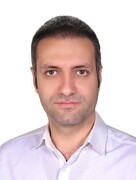
Hawzah News Agency- In this context, Iran's Cultural Center in Tunis hosted a press meeting where media and cultural figures met with prominent Iranian playwright, director, and lecturer Ayoub Aghakhani, secretary of the 47th Fajr International Theater Festival, who is attending Carthage as a special guest.
Aghakhani, a leading figure in Iranian theater and academia with a master's degree in dramatic literature, has combined university teaching with careers as a writer, director, and actor, and has an award-winning record in television and radio drama.
Partnership Beyond Performance: Academic Exchange
Jafar Morvarid, cultural counselor of the Islamic Republic of Iran in Tunisia, opened the meeting by praising the artistic dynamism in Tunisia and the growing public appetite for theater, especially among the young, describing this energy as fertile ground for advancing cultural relations between the two countries.
Morvarid reported a series of bilateral meetings with the Fajr festival secretary and senior Tunisian theater officials, including Selim Sanhaji, artistic director of Carthage Theater Days and director of the Tunisian National Theater, aimed at establishing sustainable theatrical partnership.
He said the talks focused on a comprehensive cooperation project based on academic and artistic exchange among professors, artists, and theater companies, promoting translation of dramatic texts between Arabic and Persian, and paving the way for Tunisian works to appear in Iranian festivals.
The discussions were not limited to technical and logistical dimensions but also addressed the substantive nature of joint works, emphasizing themes of family, childhood, environmental protection, counterterrorism, support for the Palestinian cause and Gaza, safeguarding cultural identity and shared values, and the emerging challenges of artificial intelligence in cultural and artistic production.
University Education: A Gateway to Long-Term Cooperation
Aghakhani placed the academic and educational dimension at the center of his approach to developing theatrical ties between Tunis and Tehran, citing his efforts to draft a program for student and academic exchange facilitating the movement of professors, specialist directors, and students among drama schools and universities in both countries.
He stressed that the Fajr festival, recognizing the need to invest in young talent and create space for interaction among different theatrical experiences, pays special attention to university theater and empowering new generations to enhance their artistic and intellectual tools.
Regarding Tunisia's participation in the Fajr festival, Aghakhani announced that he is using his visit to follow Carthage festival performances and learn about participants' experiences, and has officially asked Selim Sanhaji to recommend a selection of Tunisian and Arab theatrical works so the most suitable can be chosen for the next Fajr festival.
Iranian Theater: A Dynamic Current and Herald of Resistance
The Fajr festival secretary said the event is open to all schools and creative experiences—traditional, narrative, or experimental—and imposes no formal restrictions on the nature of participating works.
Nevertheless, he noted that the festival's overall approach prioritizes works of human depth that defend justice and confront oppression, and that the next edition will devote a prominent space to the theme of "resistance" as part of a cultural effort to highlight theater's role in reflecting nations' demands and confronting injustice.
Aghakhani added that the festival also seeks, by providing space for creative experiences that express the diversity and richness of Iran's cultural scene, to present a realistic image of the country's cultural and artistic dynamism against stereotypes promoted by some Western circles.
Concluding the meeting, he expressed satisfaction with his visit to Tunisia, praised the prominent standing of Tunisian theater and its influence across the African continent, and stressed that the shared values and civilizational closeness between the Tunisian and Iranian peoples provide a solid foundation for long-term theatrical cooperation.

Your Comment